High-Performance Belt Conveyor Solutions for Industrial Automation

Nyutech designs and manufactures heavy-duty belt conveyor systems for industrial material handling, assembly automation, packaging lines, inspection systems and production workflows. Our belt conveyors deliver smooth operation, high durability, low maintenance and reliable performance for manufacturing industries.

A belt conveyor is a continuous material handling system designed to efficiently transport components, sub-assemblies, or finished goods between workstations in manufacturing and assembly processes. It ensures smooth, stable, and controlled transfer of materials, reducing manual handling, minimizing cycle time, and improving overall line productivity.

Belt conveyors are essential across industries such as automotive, electronics, packaging, pharmaceuticals, and logistics due to their versatility and ability to handle parts of varied sizes, weights, and surface finishes.

System Description

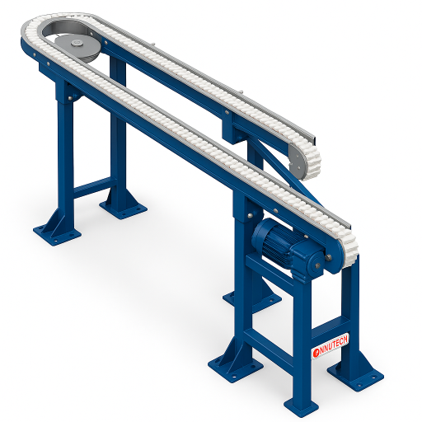
A belt conveyor system consists of an endless loop of belt—made of rubber, PU, PVC, or modular plastic—mounted over driven and idler pulleys. The belt moves continuously over support rollers or a flat slider bed to carry products from one station to another.

Each unit is powered by servo, induction, or brushless DC drives with precise control using variable-frequency drives (VFDs) or servo amplifiers. The system can be fully integrated with PLC and HMI-based controls for speed synchronization, interlocks, and feedback monitoring.

Modern conveying systems are equipped with sensors, drives, and PLC data interfaces, enabling communication with robotic cells, MES systems, and traceability servers for real-time monitoring.

Key Features:

  • Modular Construction: Easily reconfigurable with aluminum or steel frames.
  • Drive Options: Available in end-drive, center-drive, or underside-drive designs for compact layouts.
  • Integrated Controls: PLC and HMI with sensor feedback, speed control, and emergency stop functions.
  • Automated Indexing: Servo or stepper-driven for accurate positioning in assembly and inspection lines.
  • Safety & Ergonomics: Designed to meet ISO 10218 and EN 619 standards for operator protection.
  • Scalability: Supports expansion with additional belts, vision inspection stations, or robotic loading modules.
  • Smart Monitoring: Optional IoT connectivity for drive current, belt speed, and predictive maintenance.

System Benefits:

  • Continuous, reliable, and vibration-free transfer of products.
  • Smooth handling of delicate or irregular-shaped parts.
  • Energy-efficient drives with regenerative braking (for high-speed models).
  • High throughput with synchronized machine operation.
  • Reduced manual labor and improved ergonomic safety.
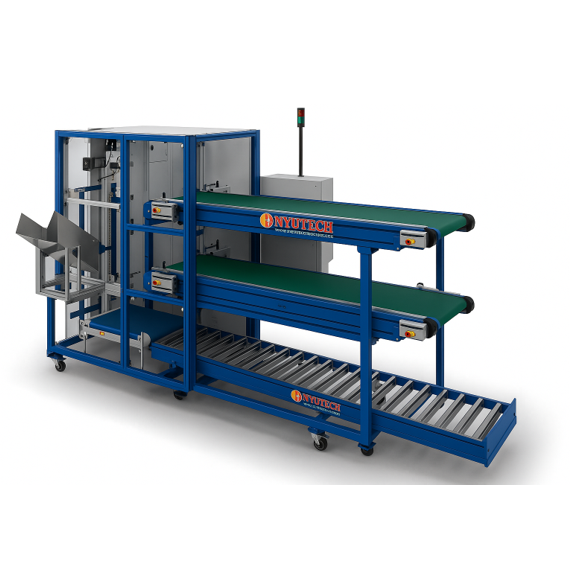
  • Compact design enabling multi-level or return-belt configurations.
  • Compatibility with AGVs, robotic pick-and-place, and MES data systems.

Application Areas:

  • Automotive and EV motor assembly lines.
  • Electronics and PCB component transport.
  • Food and pharmaceutical packaging systems.
  • Metal casting and heat-treatment lines.
  • Plastic molding and cleanroom automation.
  • Warehouse, logistics, and airport baggage handling systems.

Image Reference (Representative Models):

Below are typical global-standard belt conveyor configurations:
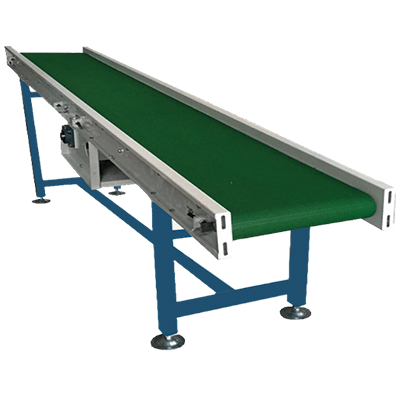
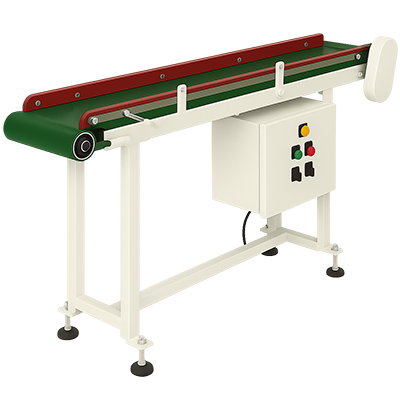
  • Flat belt conveyors (PVC/PU) for assembly lines.
  • Inclined/declined conveyors for elevation transfer.
  • Modular plastic belt conveyors for washdown or food-grade environments.
  • Cleated belt conveyors for parts requiring separation or elevation hold.
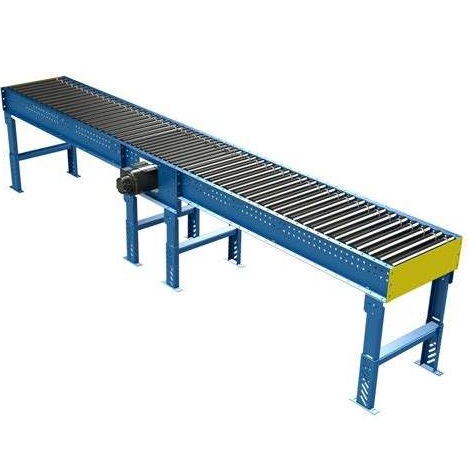
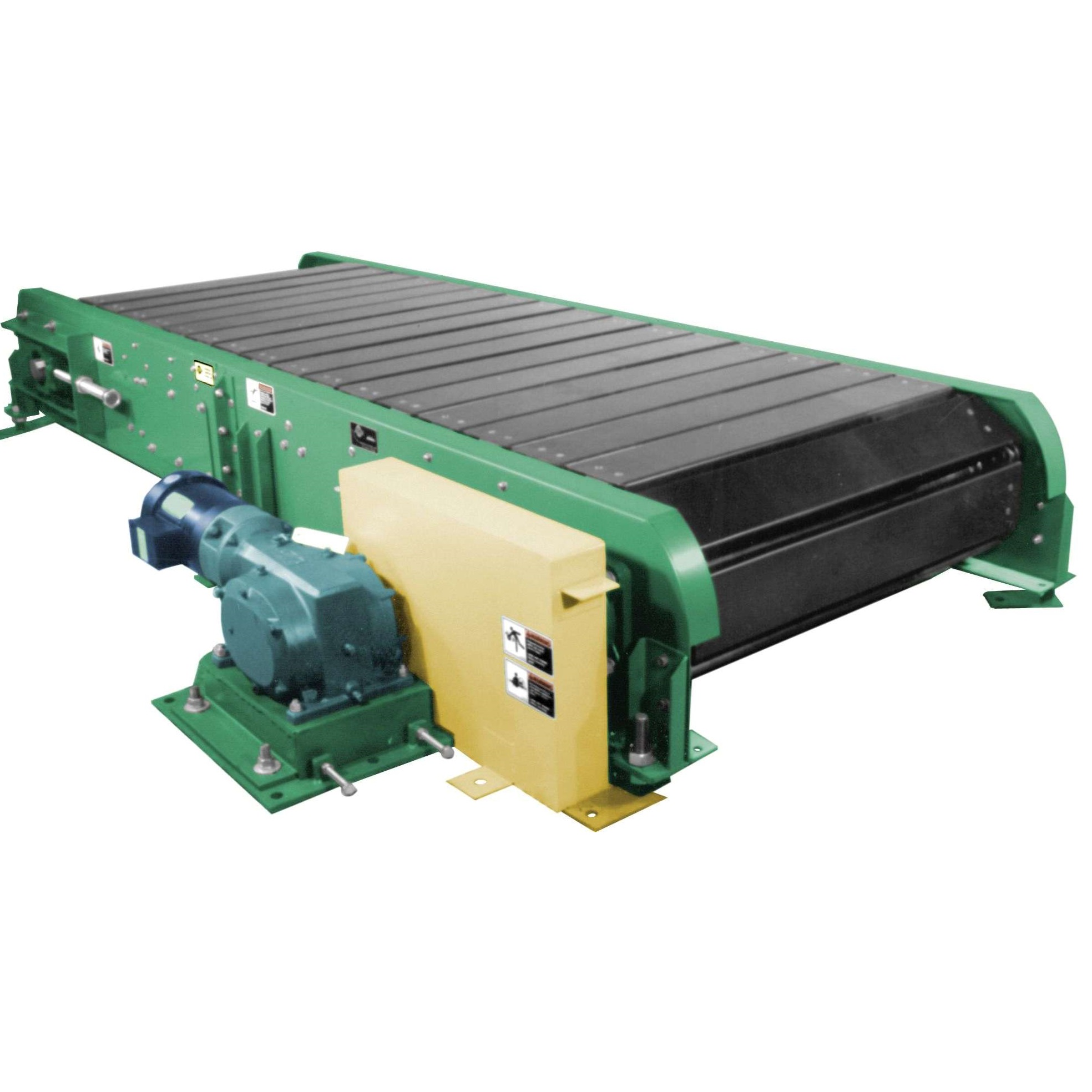
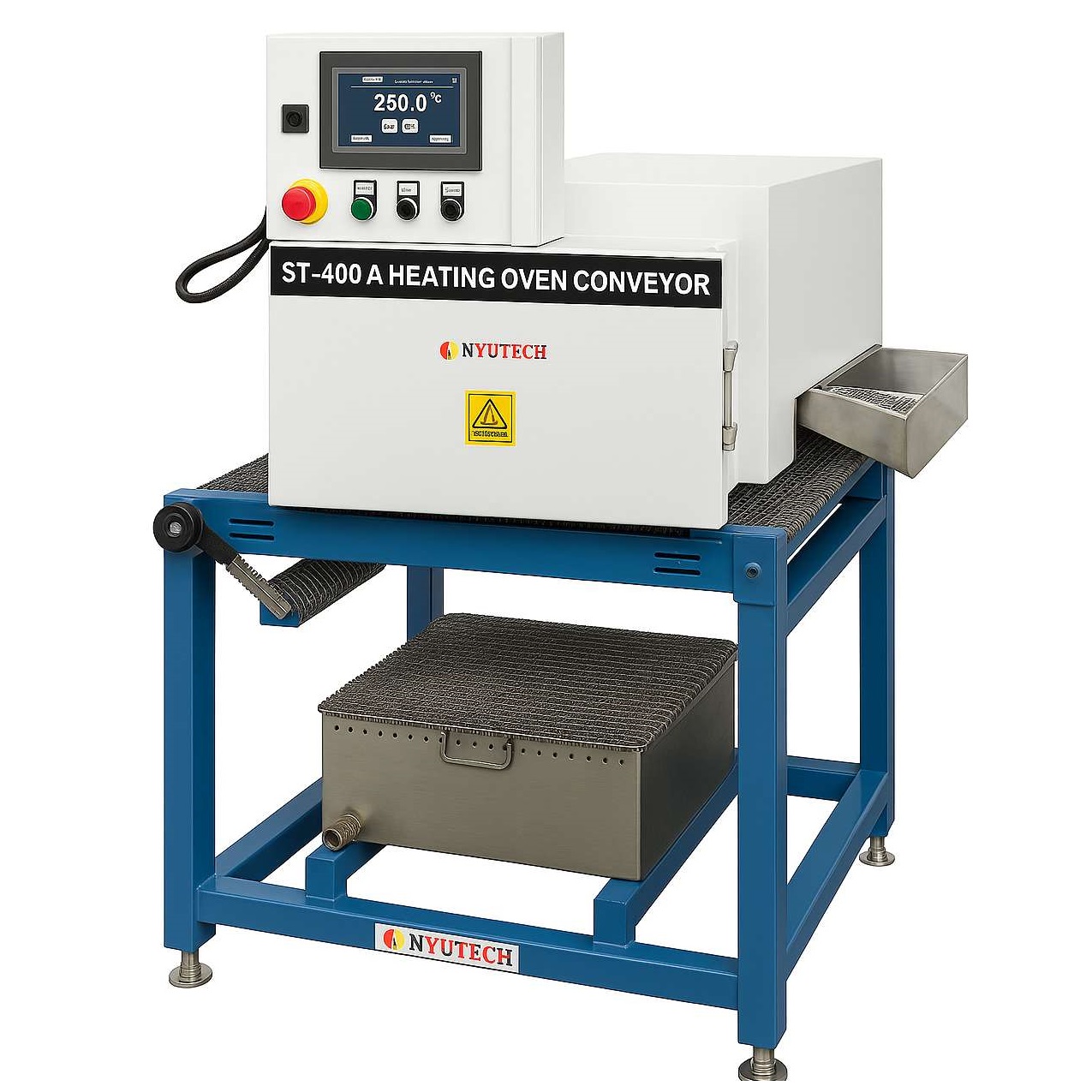
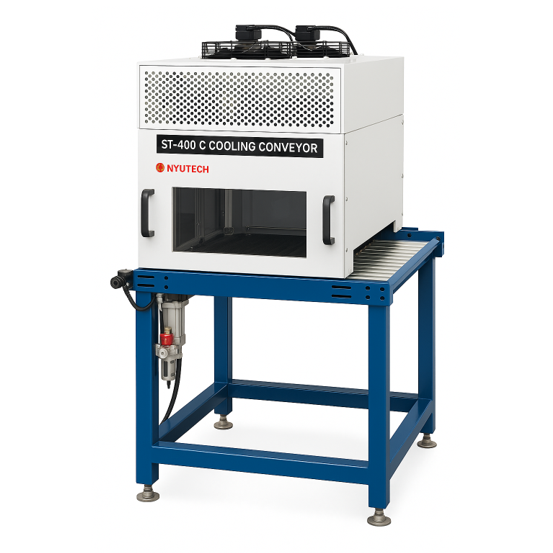
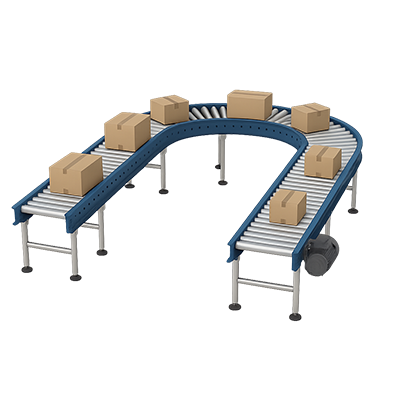
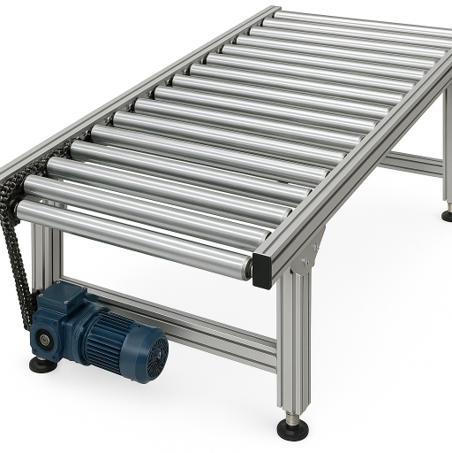
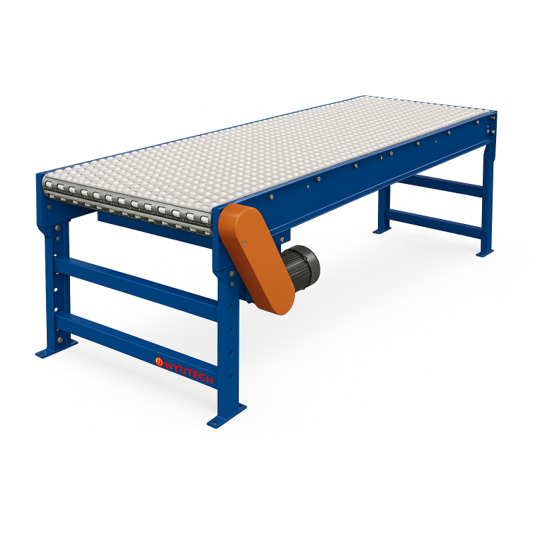
Heavy duty belt conveyor used in manufacturing assembly lines Industrial belt conveyor system for automated material handling