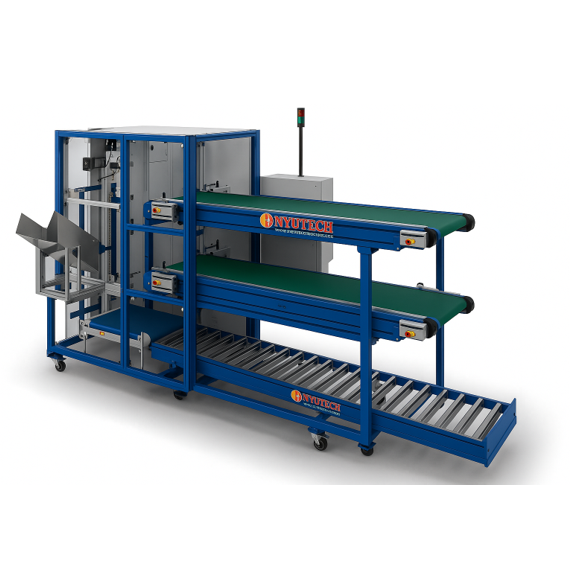
Nyutech designs and manufactures high-performance slat conveyor systems engineered for continuous operation in demanding industrial environments. Our slat conveyors are ideal for assembly lines, heavy-duty component transfer, packaging automation, and modern manufacturing processes, delivering smooth material flow, extended service life, and reliable performance under high loads.
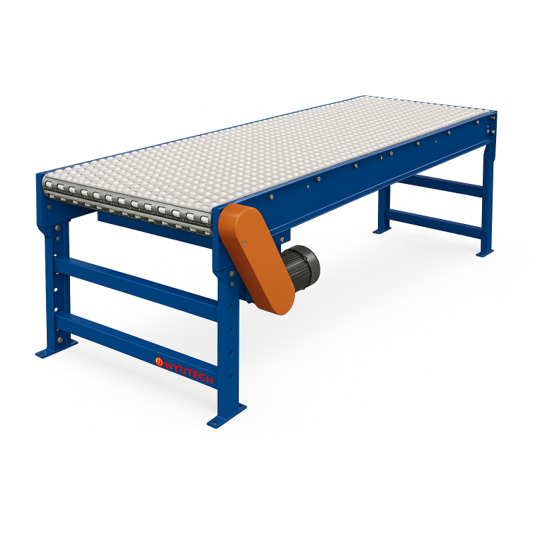
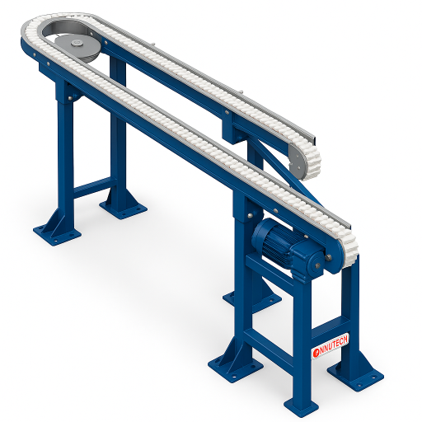
A slat conveyor is a type of conveyor in which material is conveyed on slats (flat plates) that are fixed to a chain or belt. The slats provide a rigid, flat surface to support parts of irregular shape or those that require stable carrying during transfer. Slat conveyors are ideal for high-precision transfer, indexing, or assembly operations, especially where parts cannot be directly placed on belt or roller surfaces.
These conveyors are widely adopted in assembly lines, automated handling systems, and production environments requiring robust, repeatable material movement without slippage or shifting.
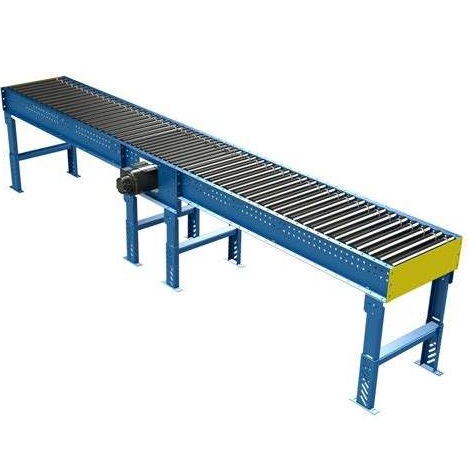
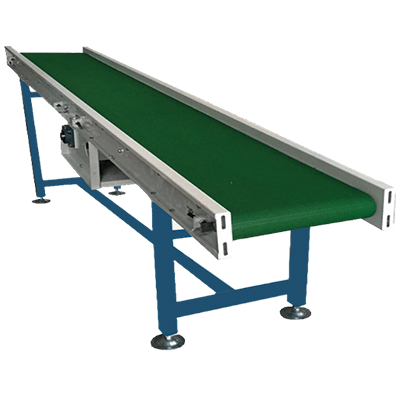
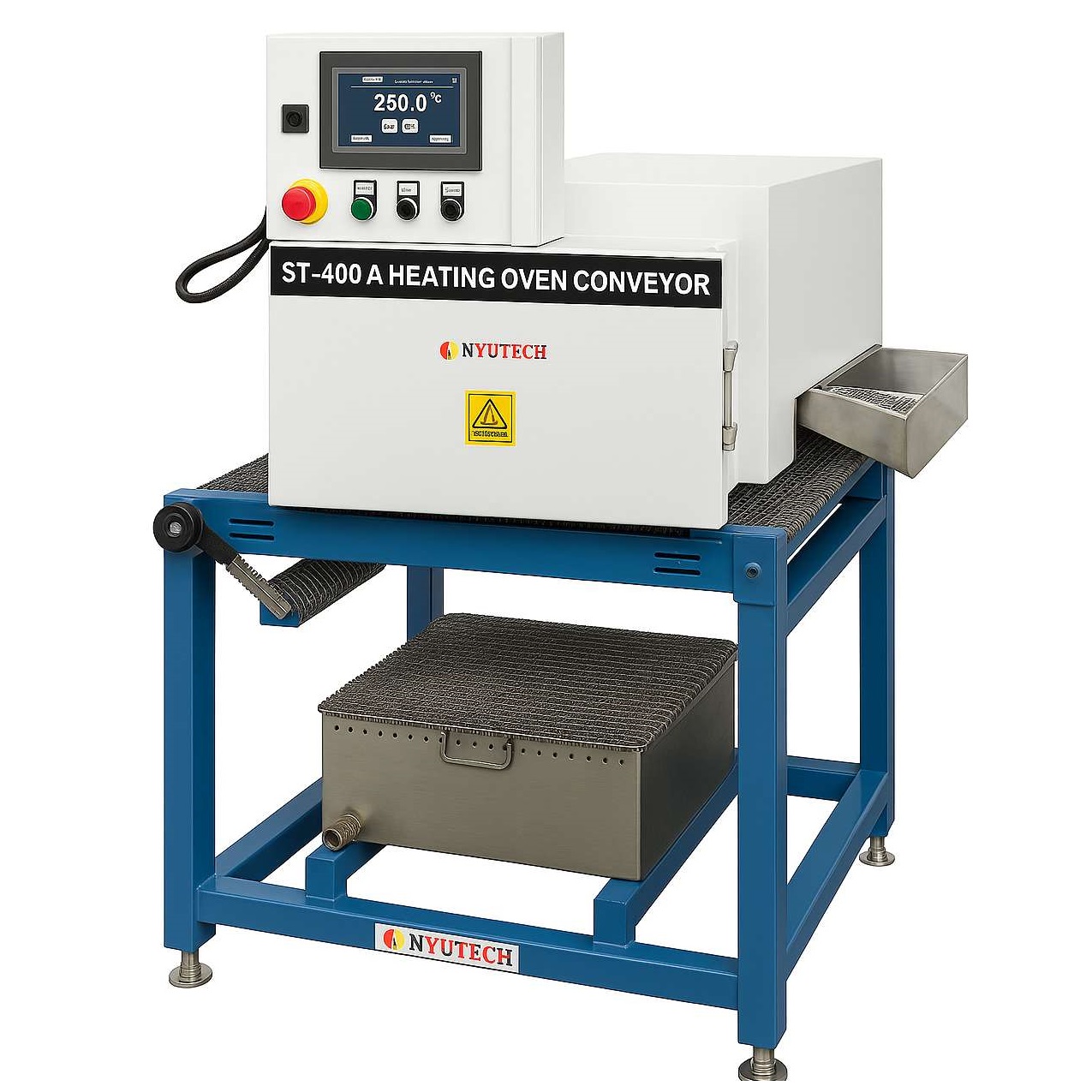
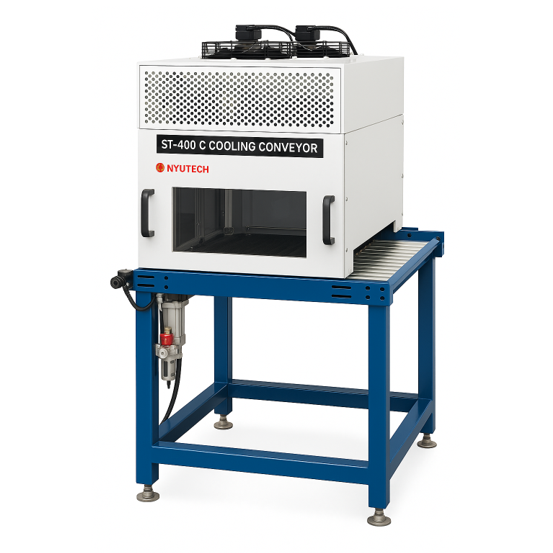
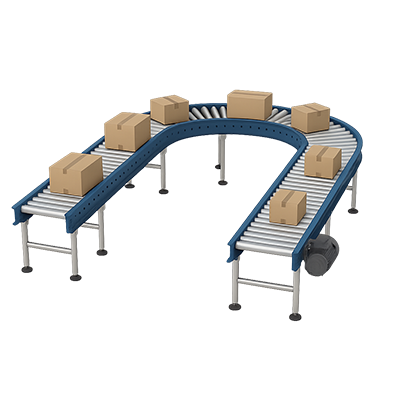
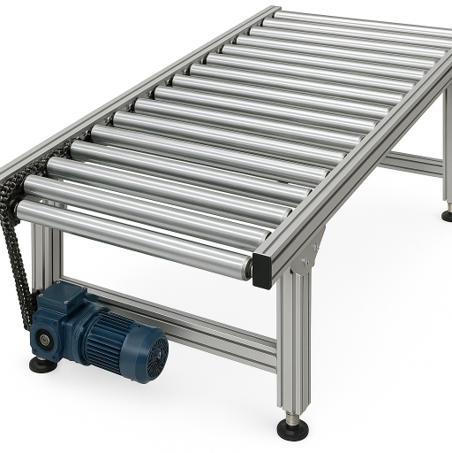
Slat conveyors are often integrated with roller conveyors, belt conveyor systems, and automated assembly stations to create efficient material handling production lines.
System Architecture & Design
Slats
Drive Mechanism
Guiding & Support
Indexing Capability
Integration & Controls
Modularity & Construction
Environmental Suitability
Key Features & Benefits
High stability & precision
Load distribution
Selectable indexing
Customizability
Long-term durability
Seamless automation integration
Application Areas

Slat conveyors are used for transporting heavy or irregular shaped components in industrial assembly lines, automotive production, machining operations, and automated manufacturing systems.
Slat conveyors are widely used in automotive manufacturing, electric vehicle assembly, machining industries, heavy component handling, packaging lines, and industrial automation systems.
Slat conveyors are typically manufactured using mild steel, stainless steel, aluminum frames, and heavy-duty chains to ensure durability and long operational life in demanding industrial environments.
Belt conveyors use flexible belts for lightweight material transfer, while slat conveyors use rigid slats mounted on chains, making them suitable for heavy loads and stable part positioning.
Yes. Nyutech designs and manufactures customized slat conveyor systems based on load capacity, part size, assembly line layout, automation requirements, and factory integration needs.